
- A published Tyler case study documents LVP throughout the home
- That same scope connected whole-home LVP to new bathroom tile
- Room list, removal, subfloor, height, trim, and transitions shape the estimate
- Soft or water-damaged areas are investigated before new material covers them
- Request a walkthrough with the connected rooms and stop points identified
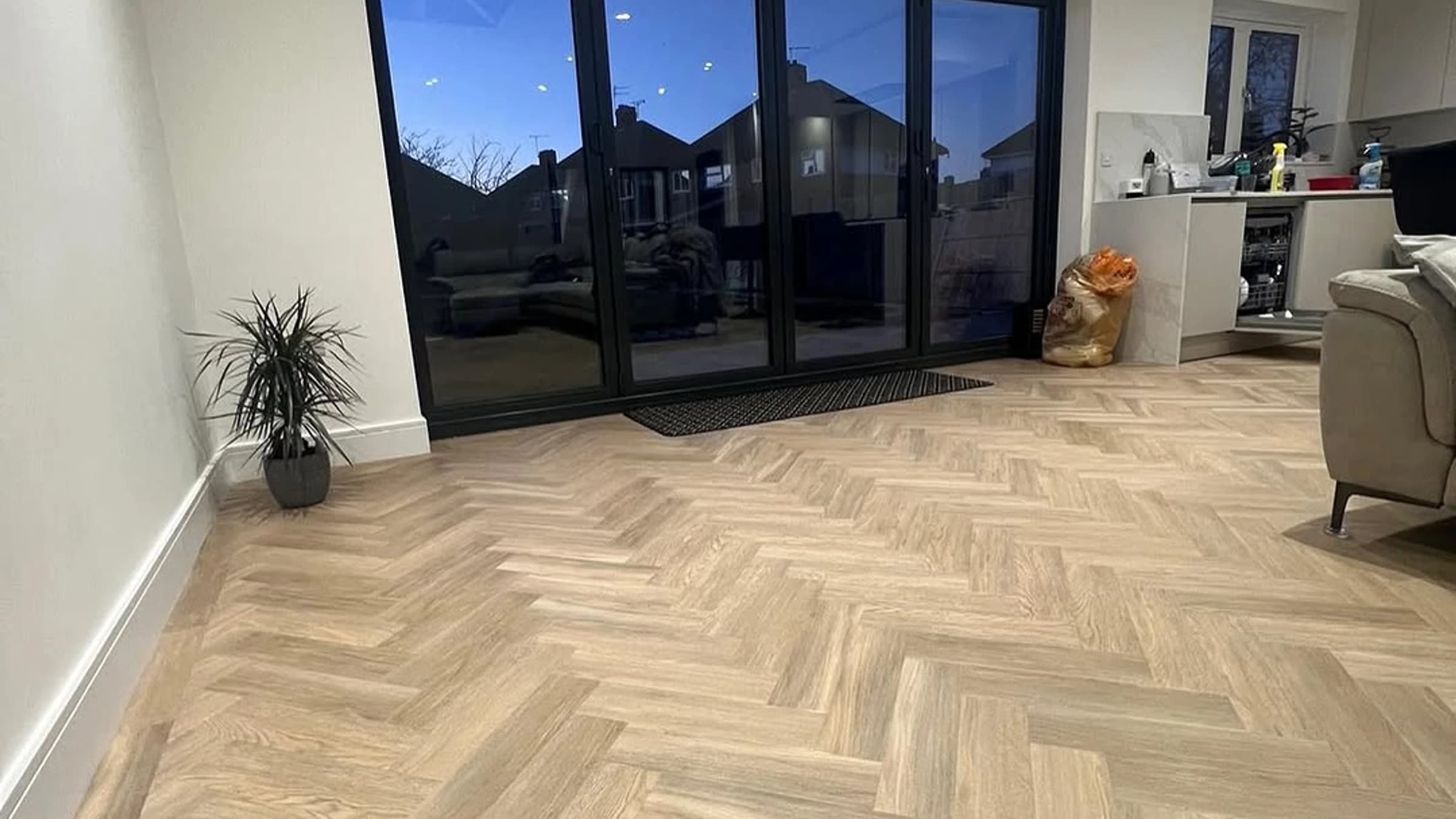
Tyler Flooring Installation
Flooring Installation in Tyler, TX
Plan Tyler flooring around the rooms it must connect: existing layers, subfloor prep, finished height, wet-area edges, trim, thresholds, and transitions into bathroom, kitchen, laundry, or living spaces.
Serving Tyler-area projects when the location, schedule, scope, and project fit are confirmed.
Why Homeowners Call Pioneer
Plan Tyler flooring by room connections, not sample boards
This Tyler resource focuses on floor height, wet-room edges, transitions, and remodel sequence, with one documented local project that paired bathroom tile with LVP throughout the home.
Map the Route
Start With Every Room, Doorway, and Material Change
A flooring estimate becomes more useful when the room list and stop points are known. Pioneer Construction reviews what is installed now, what lies below it, and how the new floor must meet fixtures, doors, wet rooms, and adjacent materials.
Rooms and project fit
Start with which rooms are involved, how they connect, and whether the flooring is a focused update or part of bathroom, kitchen, or broader remodeling work.
Existing floor review
Look at the current material, removal needs, uneven areas, soft spots, old adhesive, water damage, and places where the floor height may change.
Material direction
Compare LVP, laminate, tile, and other practical options based on moisture exposure, daily use, maintenance, budget range, and product requirements.
Schedule and service area fit
Tyler-area projects are reviewed based on location, scope, schedule, access, and whether the project fits the active East Texas service area.
Room Fit
Choosing Flooring Based on the Room
A flooring choice that works in a dry bedroom may not be the right answer for a bathroom edge, laundry area, kitchen, or several connected spaces.
Dry living spaces
Bedrooms, living rooms, offices, halls, and closets can focus more on appearance, durability, sound, furniture, long runs, and clean doorway transitions.
Kitchens
Kitchen flooring decisions should account for appliances, cabinets, islands, toe kicks, pantry transitions, dishwasher clearance, spills, and cleanup.
Bathrooms
Bathrooms need more caution around toilets, vanities, tubs, showers, old leaks, subfloor condition, trim, and moisture-prone edges.
Laundry and entry areas
Laundry rooms and entries often involve moisture, equipment movement, exterior thresholds, utility details, and floor height changes.
Connected rooms
When flooring crosses several rooms, the plan should cover direction, expansion, transition placement, thresholds, and where material changes make sense.
Remodeling tie-ins
A material decision can affect cabinets, vanities, shower edges, door casing, trim, and finished details in the surrounding remodel.
Materials
LVP, Laminate, Tile, and Practical Material Considerations
Luxury vinyl plank
LVP is often a practical choice for busy East Texas homes because many products handle everyday cleaning and moisture better than some wood-based options.
Laminate
Laminate can be a good fit for dry rooms when the subfloor is flat, moisture exposure is limited, and the homeowner prefers the product's feel and look.
Tile
Tile can work well in bathrooms, kitchens, laundry rooms, and entries, but it often requires more substrate prep, layout planning, cuts, grout, and trim decisions.
Other options
Engineered wood, hardwood, and other options should be compared against the room, subfloor, moisture exposure, maintenance expectations, and the rest of the remodel.
Moisture-Prone Areas
Moisture-Prone Spaces, Kitchens, Bathrooms, and Laundry Areas
Tyler homeowners often compare flooring after noticing worn carpet, dated vinyl, old laminate, cracked tile, or a room that no longer works with the rest of the house. Moisture-prone spaces deserve a slower decision because the material, prep, and finished edges all matter.
Kitchens, bathrooms, laundry rooms, and entries may include fixtures, cabinets, appliances, wet shoes, previous leaks, or floor-height changes. Those details should be reviewed before choosing a product from a box or sample display.
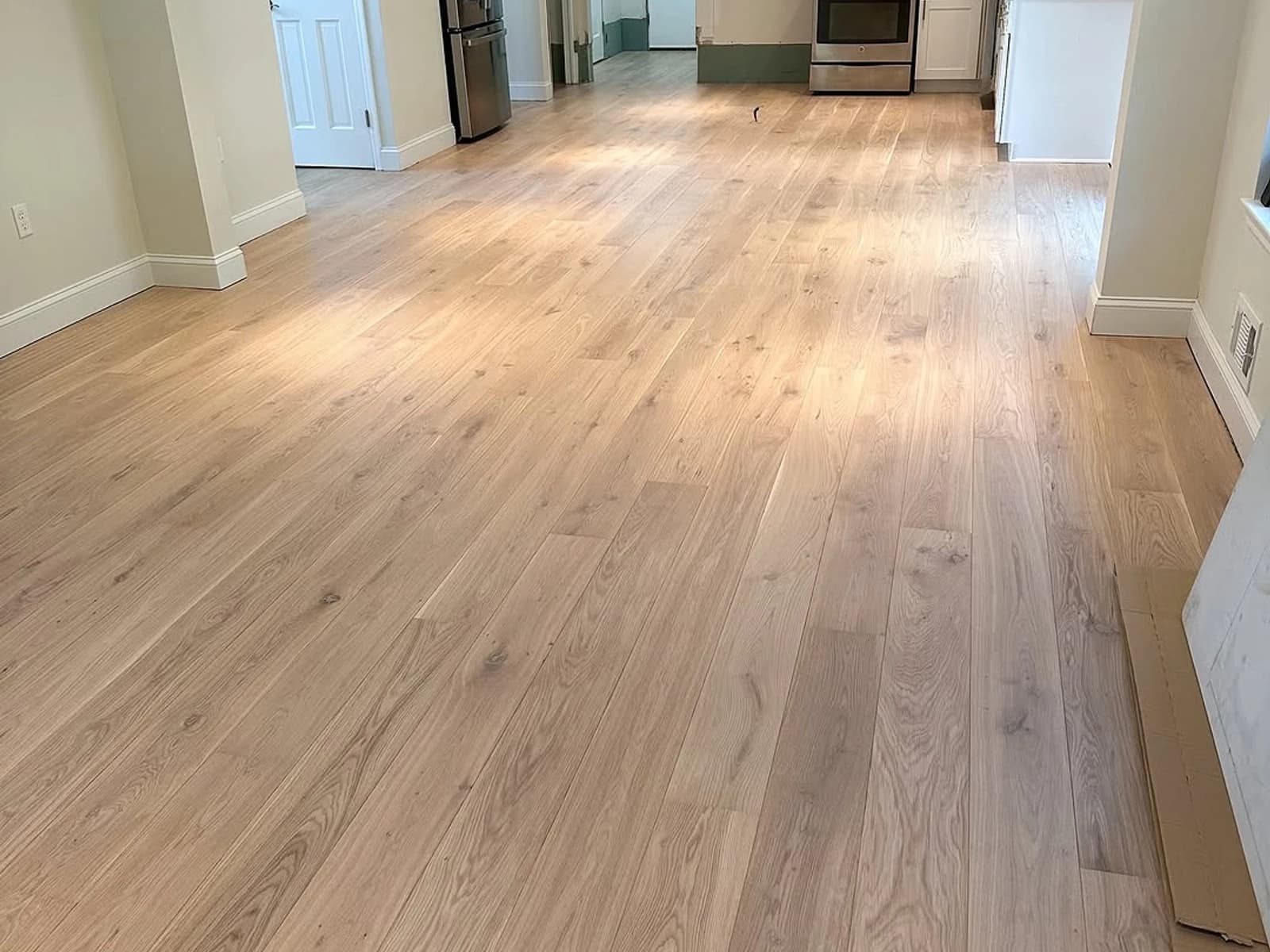
Bathrooms
Flooring around toilets, showers, tubs, and vanities should be planned with moisture, trim, old leaks, and subfloor condition in mind.
Kitchens
Kitchen flooring should account for spills, appliances, cabinets, islands, dishwasher clearance, and how the finished floor meets connected spaces.
Laundry rooms
Laundry areas can involve equipment movement, water connections, utility clearances, floor height, and thresholds that affect the scope.
Transitions near wet rooms
Edges between wet rooms and dry rooms should be reviewed so thresholds and transitions are durable, clean, and clear in the estimate.
Prep
Subfloor Prep, Floor Height, and Connected Rooms
The surface below the flooring and the way rooms meet each other can affect both the installation and the final appearance.
- 1
Confirm removal needs
Old carpet, laminate, vinyl, glued flooring, tile, adhesive, and layered materials can change the labor and cleanup plan.
- 2
Check the surface below
Flatness, moisture, soft spots, slab condition, squeaks, and damaged underlayment affect which products and installation methods make sense.
- 3
Review height and clearances
Floor height can affect doorways, exterior thresholds, tile edges, appliances, vanities, and connected rooms.
- 4
Plan finished edges
Baseboards, casing cuts, shoe molding, thresholds, reducer strips, and transition locations should be part of the scope.
Finish Details
Trim, Thresholds, Baseboards, and Transition Details
Thresholds
Thresholds should match the room connection, floor height, doorway use, and whether the transition is between similar or different materials.
Baseboards
Baseboards may need to be protected, removed, reinstalled, adjusted, or replaced depending on the project and desired finished look.
Door casing
Clean cuts around casing, closets, tubs, cabinets, and built-ins help the floor look like part of the home instead of a rushed replacement.
Connected spaces
Flooring should be planned as it moves from room to room, especially when a bathroom, kitchen, hallway, or living area meets another material.
Scope Check
Three Questions Before a Material Order
Start with the room
The right flooring depends on how the room is used, what is already installed, what has to be removed, and what conditions are found under the existing surface.
Review Tyler bathroom planningInclude the remodel details
Flooring decisions can affect bathroom and kitchen remodeling details, including vanities, cabinets, appliances, trim, and transitions.
Review Tyler kitchen planningCompare Longview floor planning
The Longview resource takes a different route through cost, LVP, subfloor prep, and estimate readiness for a Longview-addressed project.
Open the Longview flooring guideVerified Tyler Tie-In
A Documented Bathroom-and-Whole-Home Flooring Scope
Published Project Source
Tile in the bathroom, LVP throughout the Tyler home
Pioneer's Tyler case study documents tile flooring in the remodeled bathroom and LVP throughout the home. The scope also included a shower and tub layout change, plumbing fixtures, lighting, countertops, and shower glass, making sequence and transitions part of a larger remodel.
Tyler Project and Floor-Condition Guides
Review the Local Case Study, Soft Floors, and Material Fit
These sources answer three different questions: how flooring connected to a documented Tyler remodel, why a soft bathroom floor needs investigation, and how common materials compare by room and moisture exposure.
Bathroom Remodeling
Bathroom Layout Remodel and LVP Flooring Project in Tyler, TX
Pioneer Construction swapped the shower and tub locations, installed a freestanding tub, shower glass, tile floors, lighting, countertops, and LVP flooring throughout a Tyler, TX home.
View Case StudyBathroom Remodeling
Soft Bathroom Floor in Tyler or Longview? Here’s What It Usually Means
Learn what soft spots, rotted subfloor, bathroom floor water damage, and old leaks can mean before covering the problem with new flooring.
Read GuideFlooring
Best Flooring for East Texas Homes: LVP, Laminate, Tile, and Engineered Wood Compared
Compare LVP, laminate, tile, and engineered wood by room, moisture exposure, pets, subfloor prep, transitions, trim, and remodel scope.
Read GuideBefore you choose a contractor
See our work and hear from customers
Browse project details and photos, and read customer feedback before requesting an estimate.
Tyler flooring project
Bathroom tile and LVP throughout the home
This Tyler project included new bathroom tile and LVP throughout the home, coordinated with the larger bathroom remodel.
See the Tyler flooring projectFlooring customer feedback
“Great group of folks to work with. Fausto and Jose were quick to come out and give a quote to have some floors replaced. On the day of service, Fausto and his crew arrived on time and made the process so easy. They also completed the job in just a day and the floors are beautiful. I look forward to working with them on a bathroom demo in the near future. I couldn't be more pleased with the service and finished product. 10/10 would recommend!”
Carrie Gentry
Shared by Pioneer Construction. The original review platform, date, and project location are not listed.
FAQs
Tyler Flooring Connection and Prep FAQs
What flooring work is documented in Pioneer's Tyler case study?
The published project page documents tile flooring in a remodeled bathroom and LVP flooring throughout the Tyler home. It also documents the bathroom layout, plumbing fixtures, lighting, countertops, and shower glass that were coordinated in the broader project.
When should flooring be included with a bathroom remodel?
Include it when bathroom floor height, tile edges, doorway transitions, damaged subfloor, or new material in adjoining rooms affects the bathroom scope. A separate flooring phase may be clearer when the projects do not share prep, transitions, or schedule dependencies.
How should bathroom tile meet LVP in a connected space?
The plan should compare finished heights, expansion requirements, doorway position, threshold or transition profile, moisture exposure, trim, and the visual stop point. Product instructions and actual site dimensions determine the appropriate detail.
What can a soft spot in a Tyler bathroom floor mean?
A soft area can indicate damaged subfloor, an old or active leak, loose material, or another condition that needs investigation. New flooring should not be used to conceal the symptom before the source and repair scope are understood.
Can several rooms use one continuous flooring run?
Sometimes. The product requirements, room geometry, run direction, expansion needs, floor flatness, stop points, doorways, wet rooms, and transitions all matter. The room-by-room plan should be settled before removal and installation begin.
Can new flooring stay over the existing material?
It depends on the new product, existing material, movement, flatness, moisture, total floor height, doors, appliances, fixtures, transitions, and manufacturer requirements. Existing tile or other layers should not be assumed suitable without review.
Which finish details belong in a flooring estimate?
Include removal and disposal, subfloor or slab prep, underlayment where required, baseboards or shoe molding, casing cuts, thresholds, reducer strips, wet-room edges, appliance clearances, and every place the material starts, stops, or changes height.
What should I provide for a Tyler flooring walkthrough?
Provide the address, a room list, current materials, visible problem areas, likely furniture or appliance constraints, preferred material direction, and whether the floor connects to a bathroom, kitchen, laundry area, or another remodel.
Request an Estimate
Request a Tyler flooring estimate
List the rooms, current surfaces, soft or uneven areas, and every doorway or transition the new floor must meet. Pioneer Construction will review the project location and scope before confirming the next step.
Prefer a direct conversation? Call (903) 364-6195 or email contact@thepioneerconstruction.com.
Bring the Tyler Room List and Transition Questions
Identify every room, current material, wet-area edge, and intended stop point. Pioneer Construction inspects the existing floor and builds an estimate around preparation, heights, trim, and connected spaces.