
East Texas floor repair
Floors Feel Soft, Sagging or Bouncy? When Your East Texas Home Needs Subfloor Repair
A spot in the hall gives under your heel. The kitchen floor dips beside the dishwasher. Or the whole living room trembles when someone walks across it. The first decision is which part of the floor needs attention. Here’s how to describe what you feel, when to keep people off an area, and what an on-site assessment can tell you before you pay for new flooring.
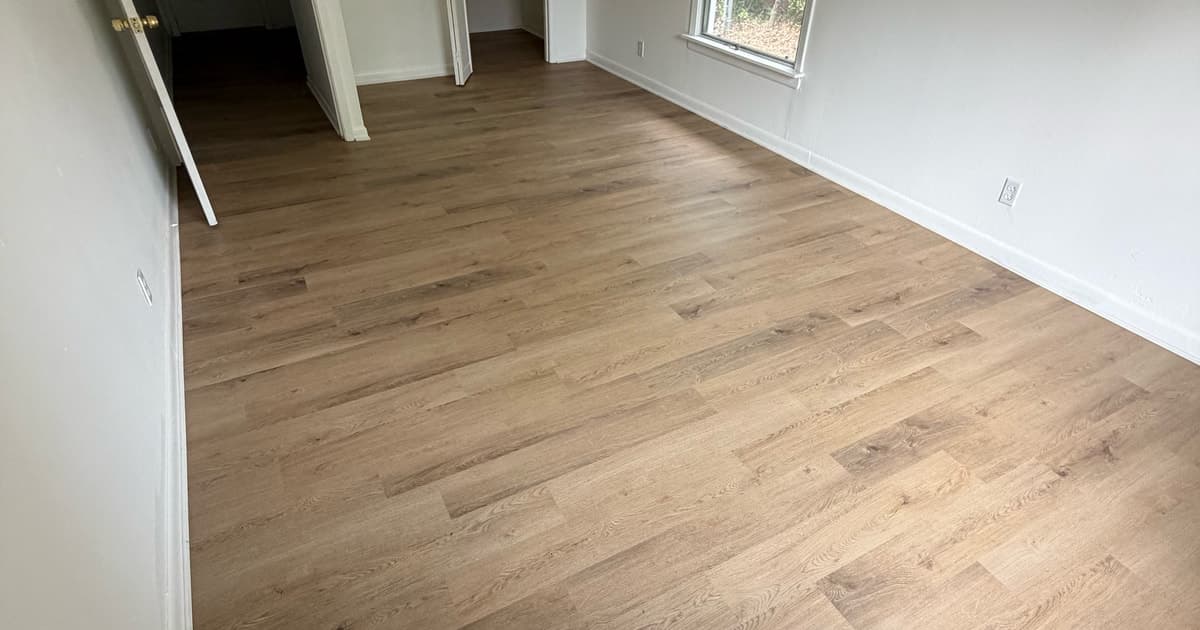
What does the movement feel like?
A soft spot gives in a particular place, often near a seam, doorway or appliance. A sag is a dip you can see even when nobody is standing there. Bounce is movement under a footstep that may travel across part of a room. Tell the contractor which one you notice and whether it appeared suddenly, has spread, or has felt the same for years. One squeaky board in an otherwise firm floor gives a different starting point from a widening soft patch with a stain at the baseboard.
If the floor is giving way, has a hole or drops sharply under an ordinary step, keep people and pets off it and arrange a prompt evaluation. Use a different route through the house. If you see water leaking from a fixture or appliance, stop using it and call a plumber about the active leak. A floor contractor can then assess what the escaped water reached. Photograph a stain or separated seam from a firm area.
Is it the flooring, the subfloor or the joists?
Carpet, vinyl plank, tile and hardwood are surfaces you can see. In a wood-framed floor, plywood, oriented strand board or older plank decking beneath the finish spans the joists. The joists carry the load to beams or bearing walls. A floor built on a concrete slab has a different assembly. Mention if an addition sits on a different foundation from the original house.
Scroll the table sideways to compare the layers.
| Layer | Clue in the room | What to check |
|---|---|---|
| Finished flooring | A single plank edge lifts or a tile comes loose. | Inspect the connection or bond and the surface beneath it. |
| Subfloor | A small area yields under carpet or the joint between panels moves. | Look for swollen edges, wood that has lost strength, loose fasteners and missing edge support. |
| Joists, beams or bearings | Several rows of flooring move together, or a dip crosses a doorway. | Assess the framing, its connections and where the members bear. A broader structural evaluation may be needed. |
Cracked grout alone cannot identify a damaged joist, and an old stain tells you little about the strength of the deck today. Explore the layers in Inside Your Floor.
Look for a path the water could have taken
A supply line behind a refrigerator can leak under the cabinets before water appears at the kitchen doorway. Rain coming in at an exterior threshold can wet the edge of a wood floor each time a storm hits that side of the house. In a laundry room, tell the contractor if the problem shows up after the washer drains. Details like these help a plumber or remodeler decide where to look first and whether the source is still active.
In a pier-and-beam home in Tyler, Longview or Kilgore, the underside of the floor may face a crawlspace. Roof runoff collecting beside the house, a pipe dripping below the floor, or damp ground can keep the wood wet from underneath. Over time, persistent moisture can allow wood decay to weaken both panels and the framing holding them. A contractor can check accessible bearings and joist ends as well as the underside of the soft area. The Building America Solution Center’s crawlspace assessment guide describes how drainage, plumbing and humidity can contribute to damp framing.
If a floor slopes across several rooms, mention new changes at doors and walls too. Tell the contractor where the crawlspace entrance is and whether anyone has previously leveled the house. If the supports appear to have moved or deteriorated, a structural engineer or foundation specialist may need to evaluate the house before a flooring repair is priced. There is no need for you to crawl underneath to make that first call.
What a repair visit can establish
Start the walk-through where you first felt the change. Show the nearest firm area, the room on the other side of the wall and any previous repair. The contractor can look at surface movement, compare floor elevations and check for moisture where accessible. A reading helps narrow the search. The contractor can compare nearby dry wood and look for signs of past wetting or missing support.
If the carpet or planks hide the problem and there is no view from below, discuss a limited opening before agreeing to a repair. Ask where the contractor wants to open the floor, whether the covering can be put back, what the opening costs and how the room will be left afterward. Cabinets above or a finished ceiling below can restrict access.
When a patch makes sense and when to open more floor
A localized repair is worth considering when the moisture source is corrected, the damaged deck has a clear boundary and the adjoining wood and supports are sound. The crew can remove the weakened material, support the new panel edges and match the existing deck height. The finish at a doorway may be saved or replaced depending on access and how it was installed. Keeping leftover flooring can make that last step easier.
The repair area grows when weakened wood runs under a wall, more than one panel is affected, or a joist below the panel also needs work. Before the opening gets larger, ask to see where the damage continues and what additional work the contractor proposes. In a documented Longview project, Pioneer replaced selected subfloor sections in the dining room, kitchen and bathroom area, then installed 1,200 square feet of finished plank flooring. The finished area and the panel repair area were two different quantities.
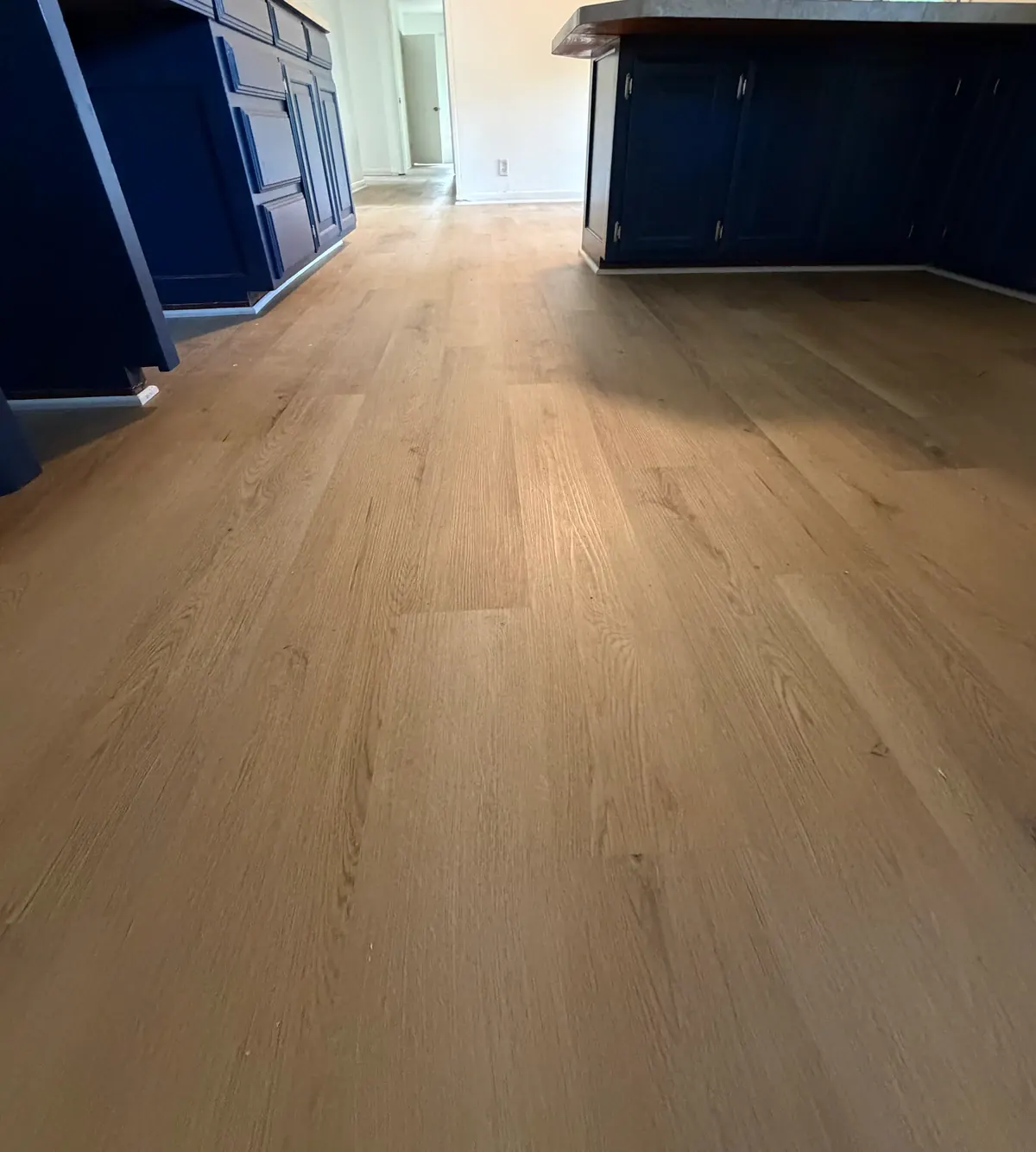
Laying new flooring over a moving panel leaves the new joints moving with it. Tile can crack and click-together flooring can separate. Applying a leveling product over weakened wood also leaves the support problem in place. If a new floor is part of the project, settle the repair first, then check the selected product’s requirements for moisture, support and flatness. Our guide to preparing for vinyl plank covers that step.
How much should you budget for subfloor repair?
HomeGuide’s U.S. guide puts 200 to 250 square feet of installed replacement subfloor at $440 to $1,200, including labor and materials for that layer. A local estimate also needs to account for access, any leak or framing repairs, and putting back the finished floor. See HomeGuide’s subfloor cost breakdown.
Even a small patch has access costs. Ask what it takes to move the appliance or lift the flooring, how much deck work is included and what it takes to get the room back in service. Plumbing, drainage work, damaged joists and a finish that cannot be matched can each change the budget. For proposals already in hand, use our Tyler and Longview subfloor estimate guide to compare what each contractor will open, repair and put back.
Common questions about soft and bouncy floors
Who should I call first?
For an isolated soft area with the leak already fixed, contact a contractor who can inspect the deck and restore the finished floor. For an active plumbing leak, start with a plumber. If a large part of the house has changed level or you can see a compromised support, describe that to a structural engineer or foundation specialist.
What if the soft spot is under carpet?
Note its location relative to a wall or doorway so the contractor can find it. Carpet and padding can conceal an open panel joint or moisture damage. Ask whether a corner can be lifted and resecured to inspect the floor while preserving the carpet.
Does a bouncy upstairs floor always mean rot?
No. A long joist span, loose decking or a problem with the floor covering can also allow movement. Describe when the bounce began and whether the room below shows staining or changes at the ceiling. Access from above or below may be needed to find the cause.
Can I keep the room open during repairs?
Ask which route will be usable while the floor is open and whether a fixture or appliance will be disconnected. A hallway repair can cut off several rooms even if the patch is small. If the bathroom is your only one, mention that when scheduling. For a soft spot specifically beside the toilet or shower, see our bathroom floor repair guide.
Pioneer’s flooring and subfloor repair service covers on-site assessment and repair planning for homeowners in Tyler, Longview and nearby communities.
Your next step
Have a soft spot or dip you’d like us to look at?
Tell Pioneer which room feels different, when you noticed it and whether there was a leak. Include your town and whether you want to keep the existing floor covering. We’ll review your request and discuss the next step.